- E-mail: info@sunday-campers.com
- Tel.: +86 15801504548


When purchasing a roof tent, one of the initial decisions individuals face is choosing between a soft shell or a hard shell variant. We frequently encounter this query, prompting us to compile a comprehensive article summarizing the primary advantages and drawbacks of both tent types for easy reference!
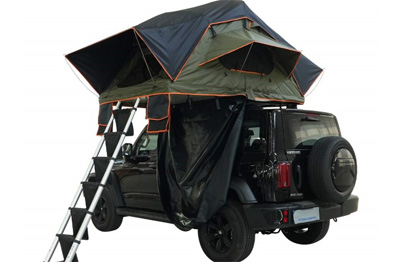
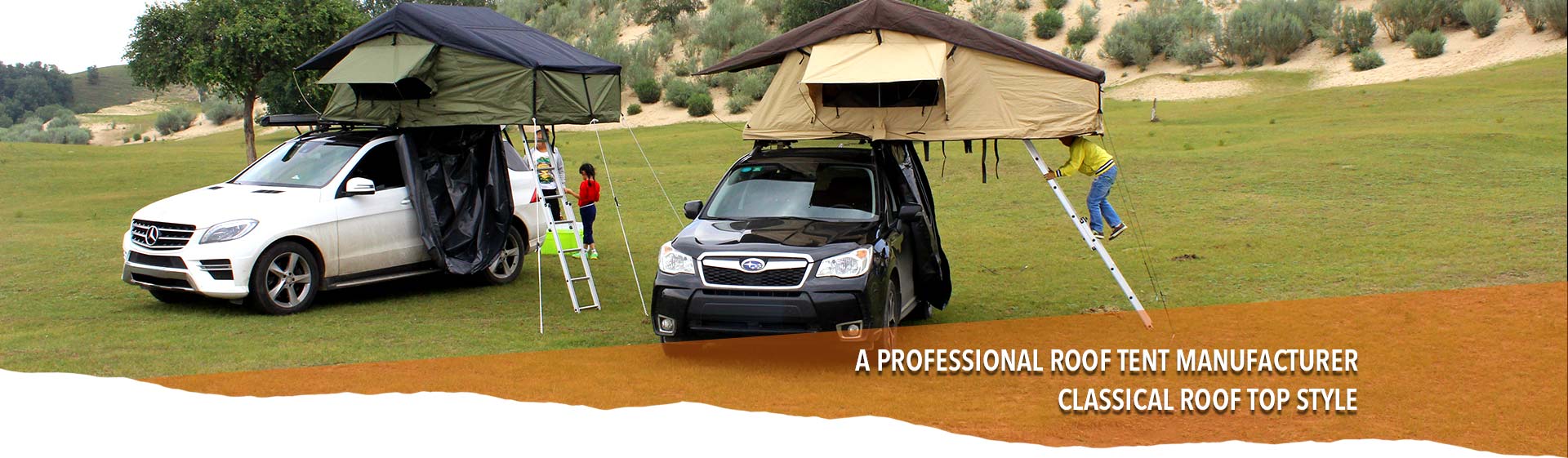
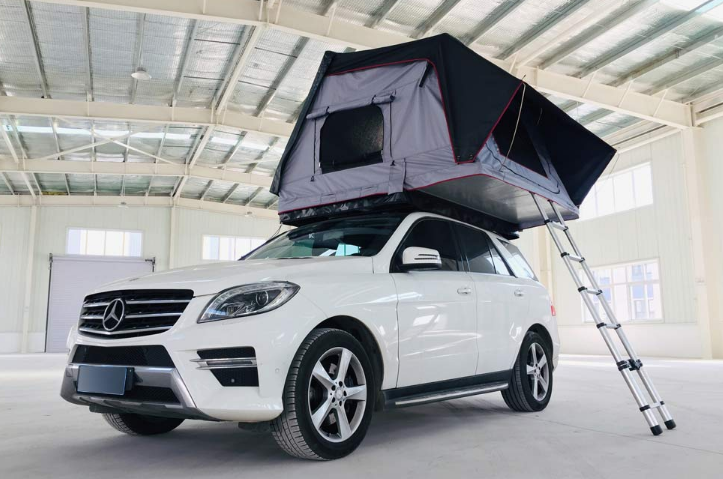
Soft shell rooftop tents typically use a fabric or canvas tent body mounted on a folding platform. When opened, the sleeping platform can extend beyond the vehicle roof, allowing manufacturers to create larger sleeping areas without requiring the same packed roof footprint.
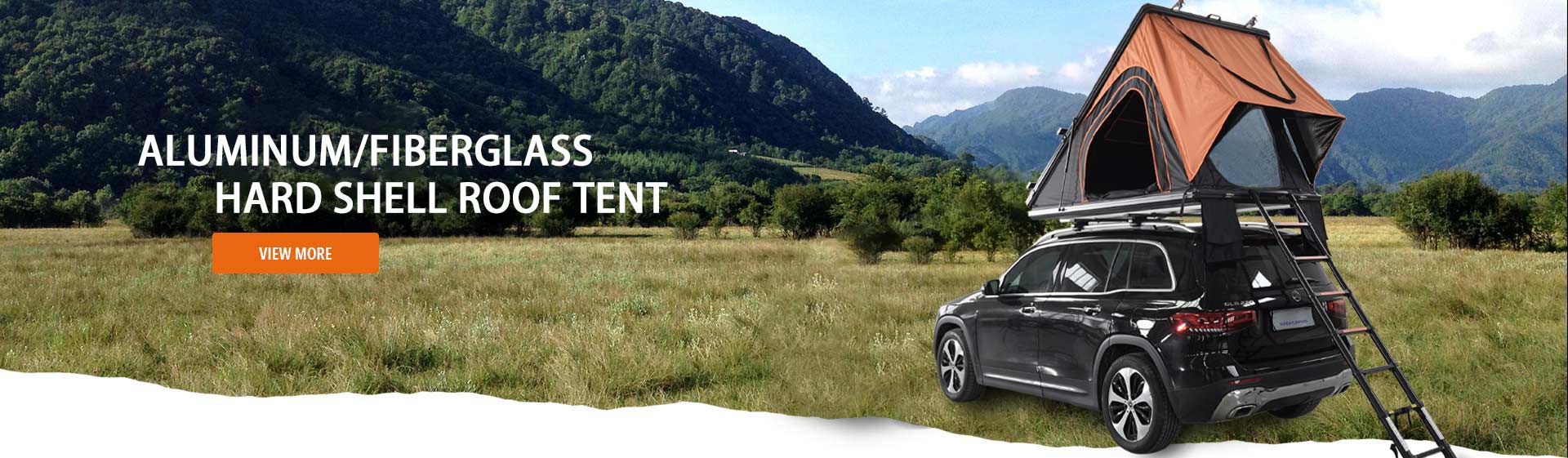
Hard shell rooftop tents use a rigid outer shell, commonly made from aluminum, fiberglass, ABS or similar materials. Depending on the design, the tent may open vertically or in a clamshell/wedge configuration. Their rigid construction generally supports faster setup and a more streamlined closed profile.
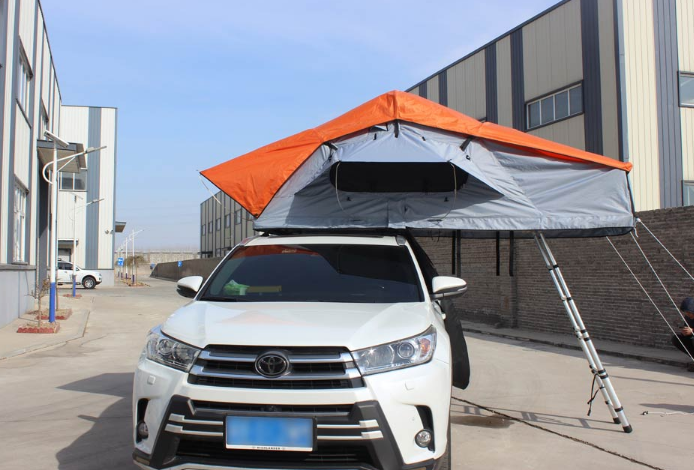
Camping Outdoor Car Tents 3-4 Person Custom Lightweight Insulation Liner Soft Roof Top Tent
Soft shell roof top tents offer a range of benefits that cater to campers seeking versatility and convenience in their camping experiences. Here are some distinct advantages:
Soft shell tents are notably lighter compared to their hard shell counterparts. Their lightweight nature makes them easier to install, remove, and transport, especially for campers who frequently change locations or prefer off-road adventures. This portability also reduces the impact on vehicle handling and fuel efficiency.
These tents typically have a more compact design, resembling a large duffle bag or box when folded. This streamlined design minimizes wind resistance during travel, ensuring a smoother ride and improved fuel economy.
Soft shell roof top tents offer a high level of flexibility. They often come with adjustable features, such as expandable annexes, awnings, or detachable components, allowing campers to adapt the tent to various camping environments and weather conditions. This adaptability makes them suitable for different camping styles and preferences.
While setting up a soft shell tent may take slightly longer compared to hard shell models, they are generally simpler to set up. They involve unfolding the tent, extending poles, and securing guy lines, requiring minimal effort and providing a straightforward setup process.
Soft shell roof top tents are usually more budget-friendly than hard shell alternatives. For campers with budget constraints or those looking for cost-effective camping solutions, soft shell tents present an attractive option without compromising on quality and comfort.
These tents often offer customization options for mattresses and sleeping arrangements. While they might not provide the same level of insulation as hard shell tents, campers can tailor their sleeping area to their comfort preferences by choosing different mattress options.
Because many soft shell rooftop tents unfold beyond the vehicle roof, they can provide a larger sleeping footprint relative to their packed size. This makes them particularly suitable for families, couples who want additional interior space, or campers traveling with children and pets.
Some fold-out soft shell designs create a covered area beside the vehicle when deployed. Combined with an annex or awning, this can provide additional sheltered space for changing clothes, storing equipment, cooking, or relaxing around the campsite.
In conclusion, soft shell roof top tents present a compelling choice for campers prioritizing portability, versatility, and affordability. Their lightweight and adaptable nature, along with the ease of setup, make them an excellent option for various camping styles, particularly for those seeking flexibility and convenience in their outdoor adventures.
Family Hard Shell Rooftop Tent
Hard shell tents boast a robust and stable structure, providing superior resilience against storms compared to their soft shell counterparts. Their enhanced stability translates to higher wind ratings, minimizing movement even in adverse weather conditions.
The solid design of hard shell tents results in reduced noise levels during strong stormy winds. With minimal canvas rustling, these tents offer a quieter atmosphere. Additionally, insulated roof designs absorb rain noise more effectively, ensuring a quieter ambiance, especially beneficial for uninterrupted sleep during challenging weather.
Hard shell tents retain heat more effectively through their ABS/fiberglass construction, reducing heat loss compared to soft shell variants. Some models feature roof insulation, further enhancing thermal retention. This insulation proves advantageous during cold, wet, and windy nights, ensuring a warmer and more comfortable camping environment.
Hard shell tents offer faster and more convenient unpacking and packing processes. With quicker setup times of approximately 30 seconds and packing up in about 1 minute, they enable campers to swiftly transition to their next destination. This advantage proves especially useful for frequent travelers or those engaged in activities requiring regular movement.
Their aerodynamic design, even when folded down, ensures improved fuel efficiency compared to soft shell counterparts. This design minimizes wind resistance, resulting in a quieter driving experience without the shell whistling in the wind as often seen in soft shell models.
Unlike some soft shell designs that require bedding to be removed before folding down, hard shell versions accommodate packing down with ample bedding inside. This eliminates the inconvenience of removing bedding or compromising on mattress comfort to save space.
Hard shell tents are easier to clean, particularly suitable for mountain overlanding or for campers seeking convenience in maintenance. The shell material allows dirt to be easily wiped off, and fewer complex fabric areas simplify the cleaning process compared to soft shell designs.
Soft shell versions can encounter issues with rainwater pooling in certain areas during storms, potentially causing leakage through the material. Hard shell tents mitigate this concern as the ABS/fiberglass shell prevents water from penetrating, allowing rain to simply run off the vertical sides without the risk of seepage.
| Consideration | Soft Shell Rooftop Tent | Hard Shell Rooftop Tent |
|---|---|---|
| Budget | Usually more affordable | Usually higher initial cost |
| Sleeping Space | Often larger when unfolded | Generally limited by shell footprint |
| Family Camping | Better suited to larger sleeping areas | Better suited to smaller groups depending on model |
| Setup Speed | Requires unfolding and additional setup | Usually faster to open and close |
| Vehicle Roof Load | Often available in lighter configurations | Weight varies significantly by shell material and design |
| Frequent Road Trips | Suitable, but requires more setup | Particularly convenient for frequent stops |
| Weather Protection | Depends heavily on fabric and rainfly construction | Rigid shell offers additional upper protection |
| Aerodynamics | Larger packed profile on many models | Generally more streamlined |
| Storage | Bedding storage depends on design | Many models can retain bedding when closed |
| Price Positioning | Entry-level to mid-range | Mid-range to premium |
In general, if you plan to camp with a large family, opting for a soft top roof tent, despite its drawbacks in comparison to hard shell designs, might be the preferable choice. However, if your camping group consists of only 2 or 3 individuals and frequent travel is expected during your trip, selecting a hard shell roof top tent could be the optimal option. The time and effort saved in packing and unpacking each time might outweigh the additional cost, making it a more convenient choice for your needs!



Copyright © sunday-campers.com All Rights Reserved | Powered by