- E-mail: info@sunday-campers.com
- Tel.: +86 15801504548
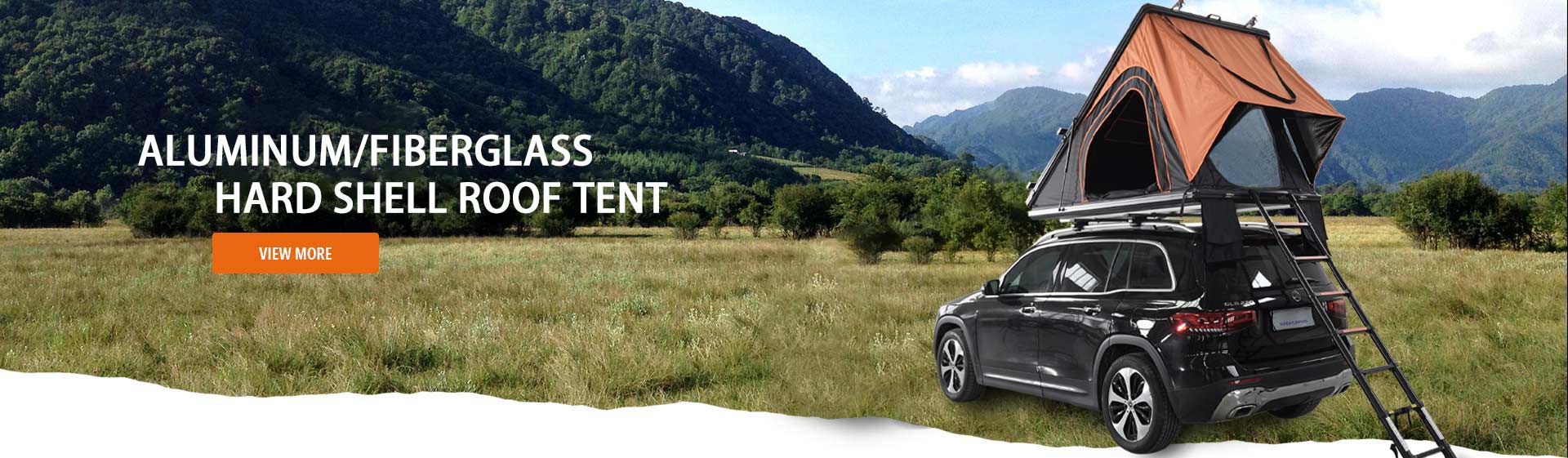
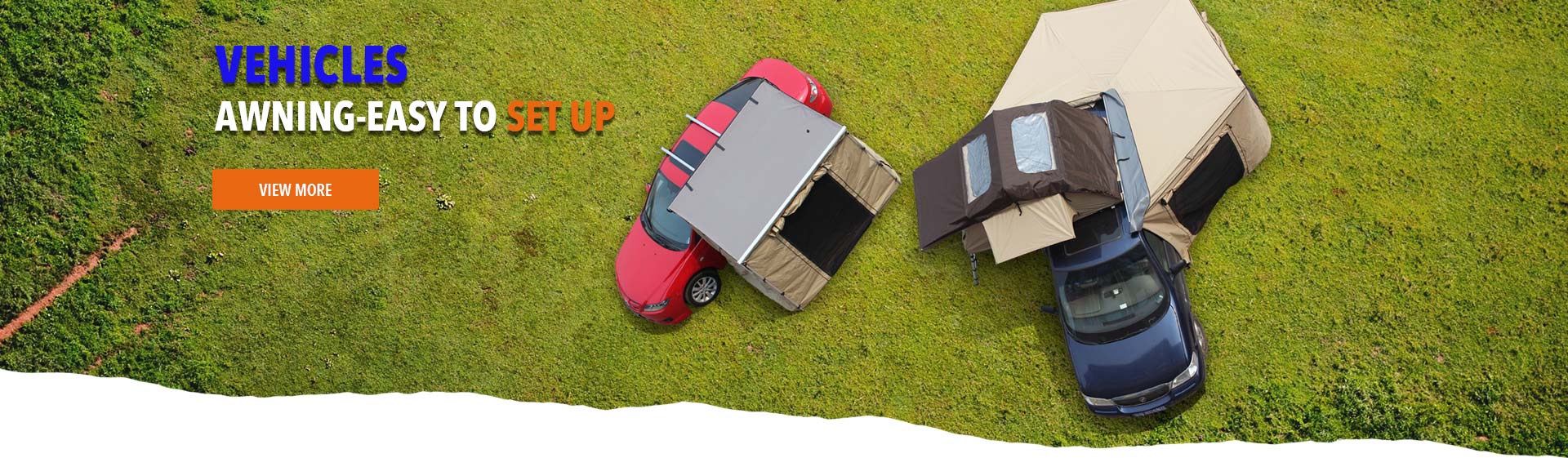

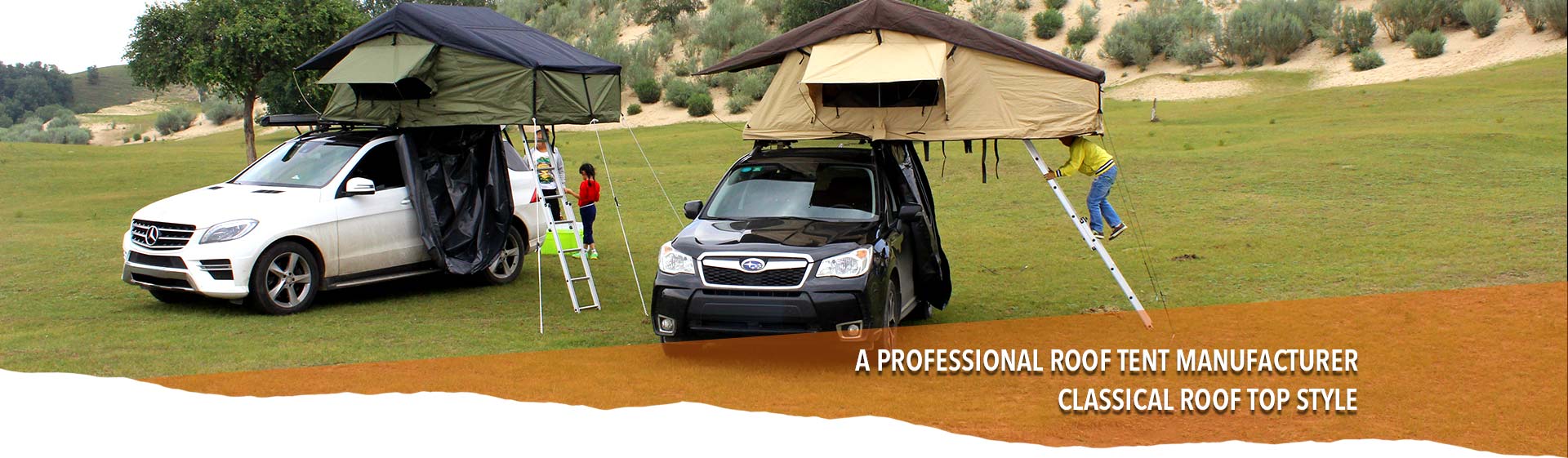
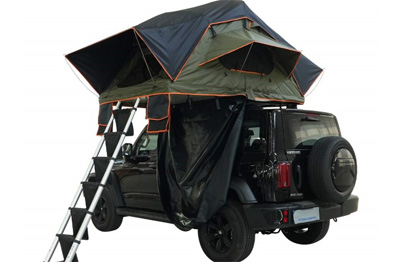
Choosing a rooftop tent is not only about sleeping capacity, shell material, fabric, or price. Roof load capacity is one of the most important factors affecting vehicle compatibility and installation safety.
For rooftop tent distributors, outdoor brands, importers, and retailers, understanding the difference between static roof load and dynamic roof load is especially important. Giving customers the wrong weight information can lead to installation problems, returns, warranty claims, and potentially unsafe use.
Although the two terms are closely related, they describe very different operating conditions.
Dynamic roof load refers to the maximum load a vehicle roof or roof rack system is designed to carry while the vehicle is moving.
When driving, the roof system is exposed to forces created by acceleration, braking, cornering, road vibration, potholes, and uneven terrain. Because of these additional forces, the permitted dynamic load is normally considerably lower than the load the structure may support while the vehicle is stationary.
For a rooftop tent installation, buyers normally need to consider the combined moving weight of:
● Rooftop tent
● Roof bars or crossbars
● Mounting brackets
● Additional accessories carried on the rack
For example, if a rooftop tent weighs 65 kg, buyers should not simply check whether the vehicle roof rating exceeds 65 kg. The weight of the rack and other permanently mounted accessories also needs to be included.
The vehicle manufacturer's stated roof load limit should therefore be one of the first specifications checked before selecting a rooftop tent.
Static roof load refers to the load supported when the vehicle is parked.
This becomes particularly important for rooftop tents because once the vehicle stops, the system must support much more than the tent itself.
The total static load may include:
● Rooftop tent
● Roof rack system
● One or more occupants
● Mattress and bedding
● Personal belongings inside the tent
Vehicle and rack systems generally tolerate substantially higher loads while stationary because they are no longer experiencing the same acceleration, braking, and road-induced forces that occur while driving.
This explains how a vehicle with a relatively modest dynamic roof-load rating can still support occupants sleeping in a rooftop tent when properly installed.
However, buyers should never assume a fixed conversion such as “static capacity is always three times dynamic capacity.” Some rack manufacturers publish ratios or specific static capacities for their own systems, but these figures should not automatically be applied to another vehicle or rack.
Always follow the ratings provided for the specific vehicle, rack, tent, and mounting system being used.
When selecting a rooftop tent, the dynamic load rating is normally the first number buyers should check.
Why?
Because the tent remains on the vehicle while driving.
The combined weight carried on the roof while the vehicle is moving should stay within the applicable vehicle and roof-rack limits. Rack manufacturers also emphasize that the weight of the tent and rack system needs to be considered together when determining the moving load.
A simplified calculation looks like this:
Dynamic Roof Load Required = Rooftop Tent Weight + Roof Rack Weight + Permanently Mounted Accessories
Suppose:
● Rooftop tent: 62 kg
● Crossbars and mounting system: 8 kg
● Accessories: 4 kg
The total moving roof load becomes approximately 74 kg.
The buyer should then verify that the vehicle and complete rack system are rated appropriately for that load.
This is particularly important when selling hard shell rooftop tents, because some aluminum and large-format models can be heavier than lightweight soft shell designs.
A common mistake is checking only the strongest component.
For example, a roof rack may have a high load rating, but the vehicle manufacturer's roof limit may be lower.
A rooftop tent system can involve several different ratings:
● Vehicle roof capacity
● Factory rail capacity
● Crossbar capacity
● Roof rack capacity
● Mounting hardware limits
● Rooftop tent installation requirements
The safe working limit should be based on the applicable restrictions of the complete system—not simply the highest number found in a product brochure.
For B2B buyers, this is why compatibility information should become part of the product documentation supplied to distributors and end customers.
Another point frequently overlooked by rooftop tent buyers is off-road use.
A vehicle traveling over rough tracks experiences more severe vertical movement, vibration, and impact loads than one traveling on smooth highways.
Some roof-rack manufacturers therefore publish different on-road and off-road ratings for specific rack systems.
This matters particularly for rooftop tents marketed toward:
● Overlanding users
● 4x4 owners
● Expedition travelers
● Pickup truck owners
● Off-road camping customers
If your brand specifically targets these markets, tent weight becomes an important product-selection criterion.
A lighter rooftop tent can leave more available roof-load capacity for mounting equipment and may offer compatibility with a wider range of vehicles.
For distributors, rooftop tent weight is more than a technical specification.
It influences several commercial factors.
A lighter model can potentially fit a broader range of suitable vehicles and roof-rack configurations, subject to manufacturer requirements.
Heavy rooftop tents may require additional people or equipment during installation and removal.
Weight and packed dimensions affect logistics costs, especially for international wholesalers shipping rooftop tents in bulk.
Clearly stating product weight helps retailers guide customers toward compatible models.
Different weight classes can be used to target different markets—for example compact vehicles, SUVs, pickup trucks, family camping, or heavy-duty overlanding.
For OEM buyers, weight should therefore be discussed during product development rather than considered only after the design is finished.
Construction type can also influence the overall roof load.
Soft shell designs commonly use folding platforms with textile covers.
Their main advantages can include:
● Larger sleeping area relative to packed dimensions
● Flexible family-size configurations
● Competitive wholesale pricing
● Potential for relatively lightweight construction depending on size and materials
Hard shell designs use rigid upper shells made from materials such as aluminum or engineered plastics.
They are often selected for:
● Fast setup and closing
● Low-profile designs
● Better aerodynamic packaging
● Frequent touring
● Premium overland product lines
However, tent weight can vary significantly depending on shell material, structure, dimensions, hardware, mattress, and accessories.
For wholesale buyers, comparing rooftop tents solely by whether they are “hard shell” or “soft shell” is therefore insufficient. The actual product weight and intended vehicle applications should always be reviewed.
Having sufficient vehicle roof capacity does not automatically mean every rack can support a rooftop tent.
Crossbars must also be suitable for rooftop tent use.
Buyers should check:
● Crossbar load rating
● Recommended crossbar spacing
● Bar dimensions
● Mounting configuration
● Vehicle attachment method
● Rooftop tent compatibility
● On-road and off-road restrictions
The tent should also distribute its load appropriately across the supporting bars instead of concentrating excessive force in a small area. Rack guidance commonly emphasizes checking the complete roof system and distributing loads properly.
This is why a professional rooftop tent supplier should provide clear installation dimensions rather than simply stating that the tent is “universal.”
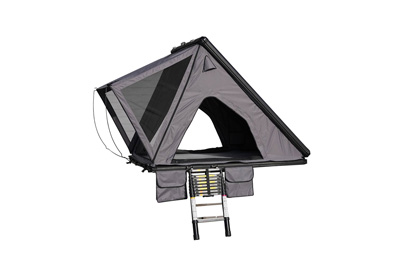
Before adding a rooftop tent to your product line, ask the manufacturer for technical information that helps you evaluate compatibility.
Useful data includes:
● Net weight and gross weight
● Closed and open dimensions
● Mounting rail dimensions
● Recommended crossbar spacing
● Tent sleeping capacity
● Tent static load capacity, where specified
● Ladder load information
● Mounting hardware specifications
● Installation instructions
● Suitable vehicle/rack requirements
For customized projects, buyers should also explain their intended market.
A rooftop tent designed primarily for pickup trucks and large 4x4 vehicles may have different weight priorities from a lightweight tent intended for crossovers and smaller SUVs.
Providing this information early allows the manufacturer to recommend or develop a more appropriate product.
From a distributor's perspective, statements such as “fits every vehicle” should be avoided.
Actual rooftop tent compatibility depends on several factors, particularly the vehicle roof design, approved roof load, rack system, crossbar spacing, and tent weight. Rooftop tent guidance from established rack-system manufacturers similarly recommends confirming the vehicle's permitted roof load before installation.
Instead, product pages should provide customers with the information needed to check compatibility.
A better purchasing message is:
Confirm your vehicle's roof-load rating and roof-rack specifications before selecting and installing a rooftop tent.
This reduces misunderstanding while giving professional distributors a stronger basis for technical customer support.
For OEM and private-label projects, reducing weight should not simply mean making every component thinner.
Manufacturers need to balance:
● Product weight
● Structural strength
● Tent capacity
● Shell rigidity
● Platform strength
● Hardware durability
● Waterproof performance
● Expected service environment
● Target retail price
For example, changing shell materials or frame structures may reduce weight, but those changes should be evaluated together with structural performance and long-term durability.
The goal is not necessarily to manufacture the lightest possible rooftop tent.
The goal is to create a product with an appropriate strength-to-weight balance for the intended vehicle and customer group.
For outdoor brands, distributors, importers, and private-label buyers, roof-load compatibility should be considered from the beginning of the sourcing process.
Sunday Campers specializes in rooftop tents and related vehicle camping products, including hard shell and soft shell configurations, and supports OEM/ODM projects for overseas buyers.
Rather than selecting a model only according to appearance, buyers can discuss key requirements such as:
● Target vehicle type
● Desired tent weight
● Sleeping capacity
● Hard shell or soft shell construction
● Product dimensions
● Materials
● Accessories
● Branding and packaging
● Target market and price positioning
For brands developing their own rooftop tent range, this makes it easier to balance weight, functionality, durability, and market positioning instead of treating roof load as an afterthought.
Understanding the difference between static and dynamic roof load is essential when sourcing, selling, or installing rooftop tents.
Dynamic load primarily determines how much weight can safely be carried while the vehicle is moving, while static load becomes relevant when the parked vehicle and rack system support the tent and its occupants.
For buyers, the most important rule is simple: do not evaluate the rooftop tent, vehicle, and roof rack independently. Treat them as one complete load-bearing system.
Before confirming a wholesale or OEM order, review tent weight, vehicle requirements, rack compatibility, mounting specifications, and intended usage conditions.
If you are developing a new rooftop tent range for your brand or need models for different vehicle and weight requirements, Sunday Campers can support standard wholesale sourcing as well as OEM/ODM rooftop tent projects, helping you select suitable configurations for your target market.


Copyright © sunday-campers.com All Rights Reserved | Powered by