- E-mail: info@sunday-campers.com
- Tel.: +86 15801504548
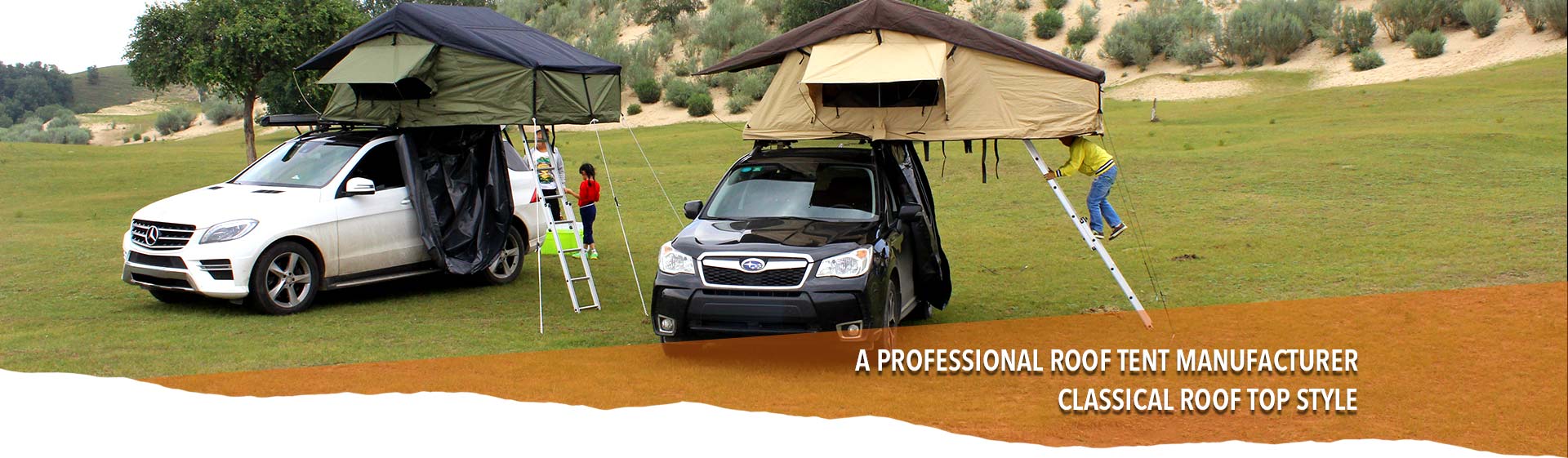
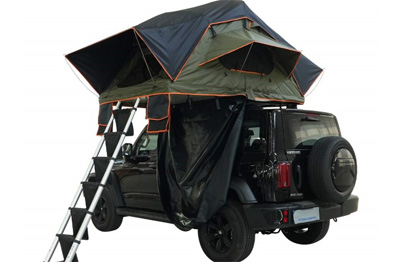
For outdoor brands, importers, distributors, and camping equipment retailers, choosing a rooftop tent manufacturer is not simply about comparing unit prices. Your supplier directly affects product quality, delivery reliability, customer complaints, warranty costs, and ultimately your brand reputation.
A good rooftop tent may look relatively simple from the outside, but its performance depends on many details: fabric selection, waterproof treatment, shell construction, hinges, ladders, mounting hardware, mattresses, sewing quality, assembly accuracy, packaging, and vehicle compatibility.
When sourcing rooftop tents for your own brand, buyers should therefore evaluate a factory from a long-term supply perspective rather than focusing only on the quotation.
The first question should be simple: How much experience does the supplier have specifically with rooftop tents?
General tent manufacturing experience can be useful, but vehicle-mounted tents have different structural and safety requirements from ordinary camping tents.
An experienced rooftop tent manufacturer should understand issues such as dynamic and static roof loads, mounting systems, ladder support, folding mechanisms, hard shell opening systems, waterproof seams, ventilation, condensation, and transportation protection.
Experience also becomes particularly important when developing new products. A factory familiar with common manufacturing problems can identify impractical designs before they reach mass production.
For B2B buyers, this can reduce repeated sampling, unexpected modifications and costly production delays.
If you operate your own outdoor brand, purchasing an existing standard product may only be the first step.
As your business grows, you may want to differentiate your rooftop tents through dimensions, colors, materials, logos, accessories or structural improvements.
This is where OEM and ODM capability becomes important.
A capable OEM rooftop tent manufacturer should be able to work from your requirements, drawings, reference samples or product concepts and convert them into a manufacturable product.
Typical customization may involve tent fabric, shell color, branding, mattress specifications, storage bags, mounting hardware, accessories, packaging and product labeling.
For more advanced projects, buyers should also discuss structural modifications and new model development early in the sourcing process.
Sunday Campers, for example, positions itself as a rooftop tent manufacturer and OEM factory and states that it accepts OEM and ODM orders, including customization based on designs, drawings or samples.
This type of manufacturing flexibility is particularly useful for distributors and brands that want to build their own product line rather than compete only with generic models.
A broader product range can be valuable even if you initially plan to purchase only one rooftop tent model.
Why?
Because successful distributors often expand their assortment after testing the market.
You may begin with a standard soft shell rooftop tent and later add lightweight models, hard shell rooftop tents, larger family models, vehicle awnings or camping accessories.
Working with a supplier that already covers several related product categories can simplify future sourcing and reduce the need to manage multiple factories.
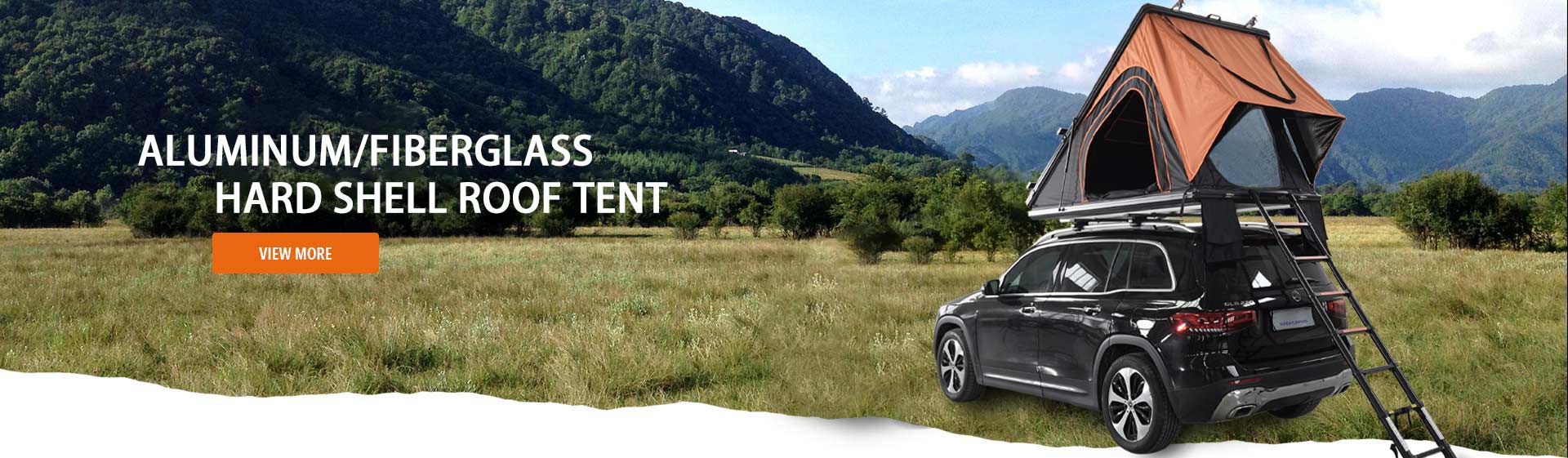
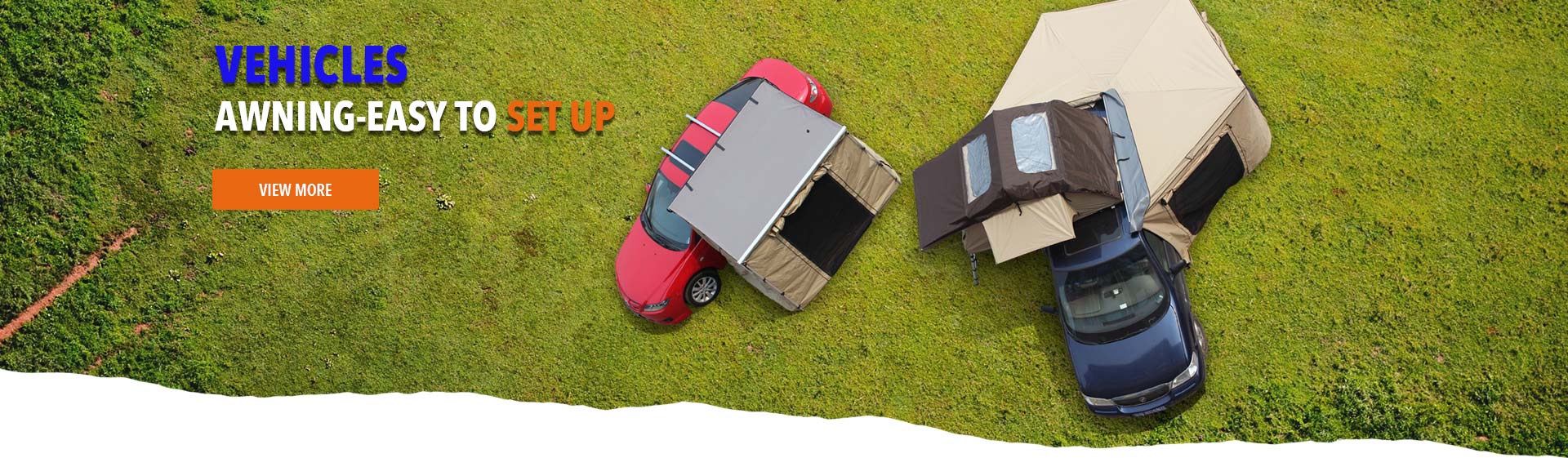
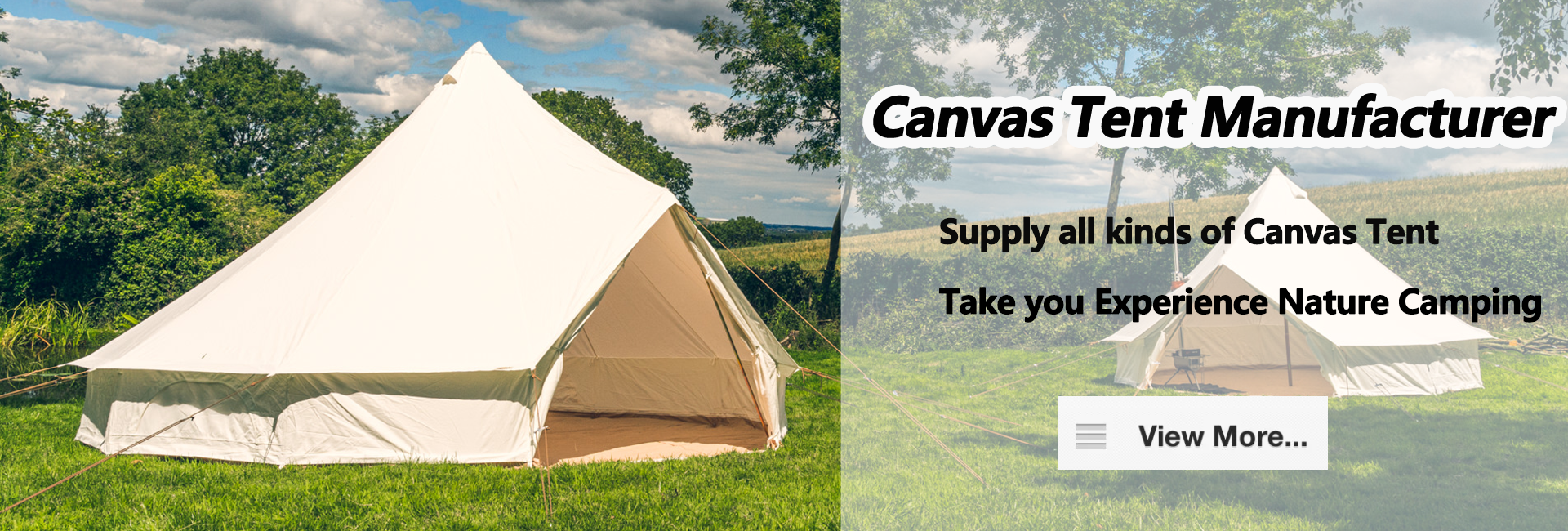
Sunday Campers currently offers roof top tents, hard shell roof tents, vehicle awnings and tarps, inflatable tents and RV awnings, cotton canvas tents, and related camping accessories.
For wholesale buyers, this provides more flexibility when building a broader vehicle camping product portfolio.
Two rooftop tents can look almost identical in online photographs while performing very differently after months of real-world use.
This is why professional buyers should request detailed material specifications.
Important components to check include:
Tent fabric composition, GSM and waterproof treatment
Shell material and thickness
Aluminum frame or base construction
Hinges and opening mechanisms
Gas struts used in hard shell models
Zippers and mosquito mesh
Mattress thickness and density
Ladder material and rated capacity
Mounting brackets and hardware
Rainfly materials
Internal and external stitching
Storage cover materials
Anti-corrosion treatment for metal components
The objective is not always to select the most expensive specification.
Instead, specifications should match your target market.
An entry-level rooftop tent sold through a high-volume retail channel may require a different cost structure from an expedition-oriented tent designed for frequent off-road use.
A reliable supplier should therefore be able to explain why particular materials are used rather than simply saying that everything is "high quality."
Quality consistency becomes more important as order quantities increase.
A sample can look excellent, but that does not guarantee that the next 200 or 500 units will have the same quality.
Before choosing a rooftop tent factory, discuss how incoming materials, sewing, assembly, hardware installation, finished products and packaging are inspected.
Buyers should pay particular attention to recurring rooftop tent quality risks such as water leakage, uneven stitching, zipper failure, loose hardware, incorrect mounting components, shell damage and packaging damage.
For custom projects, it is also useful to establish an approved pre-production sample.
This sample can become the reference standard for subsequent production.
When specifications are clearly documented before mass production, both buyer and manufacturer have a clearer basis for quality inspection.
A supplier should not be selected only from photographs, videos and quotations.
Whenever practical, order a sample before placing a significant wholesale order.
Install the rooftop tent on an appropriate vehicle and evaluate it under realistic conditions.
Check opening and closing operation, internal space, mattress comfort, ventilation, ladder stability, fabric tension, zipper operation, mounting hardware and packing efficiency.
For products intended for demanding markets, buyers may also evaluate waterproof performance, wind resistance, UV exposure and repeated opening cycles.
Sampling may add time to the initial sourcing process, but it can prevent far more expensive problems after mass production begins.
A low quotation does not automatically mean a better purchasing decision.
Rooftop tent pricing can vary according to materials, dimensions, shell construction, accessories, customization, packaging, order quantity and production requirements.
MOQ also needs to be discussed in relation to customization.
For example, changing only a logo may have a different minimum order requirement from producing custom fabric colors, redesigned hardware or a completely new rooftop tent structure.
Professional buyers should therefore request quotations with clearly defined specifications.
Instead of simply asking, "What is your best price?", provide the model, quantity, material requirements, customization requirements, destination and expected purchasing schedule.
This allows manufacturers to provide a more meaningful quotation.
Lead time should also be confirmed before ordering, particularly during peak outdoor equipment purchasing seasons.
Communication quality is often underestimated during supplier selection.
However, international sourcing involves specification confirmation, sampling, production updates, inspection, shipping documentation and after-sales issues.
A supplier that responds quickly but does not understand technical requirements can create more problems than a supplier that asks detailed questions before providing an answer.
During initial communication, observe whether the manufacturer can clearly explain product differences, recommend suitable models, identify missing information and respond to customization requirements.
Good communication at the sampling stage is often a useful indication of how efficiently future orders will be handled.
Rooftop tents are relatively large products, so packaging and logistics directly influence total landed cost.
Efficient packaging can improve container utilization, while inadequate protection can lead to shell scratches, deformation, damaged accessories or customer claims.
Importers should discuss carton dimensions, gross weight, pallet requirements, accessory packaging, shipping marks and container-loading quantities before confirming an order.
Experienced export manufacturers are generally more familiar with the documentation and packaging requirements involved in international shipments.
This becomes particularly important for distributors importing rooftop tents by container rather than purchasing individual units.
For buyers searching for a long-term rooftop tent manufacturer, Sunday Campers is worth considering because its business is focused specifically on vehicle camping products.
The company presents itself as a rooftop tent manufacturer and OEM factory, supports OEM and ODM projects, and offers both standard and customized rooftop tent options. Its current range includes soft shell and hard shell rooftop tents as well as vehicle awnings and other camping products.
This combination makes Sunday Campers suitable for different types of B2B buyers, including outdoor brands developing private-label products, importers sourcing established models, distributors expanding their rooftop tent range, and retailers looking for differentiated camping products.
More importantly, customization gives buyers the opportunity to build a product around their own market rather than simply reselling an identical generic tent.
Whether you need an existing model with your branding or want to discuss a new rooftop tent based on your design, drawings or sample, working directly with an experienced OEM manufacturer can make product development and bulk sourcing considerably more efficient.
Finding the right rooftop tent manufacturer should not end with selecting the cheapest quotation.
The strongest supplier relationship combines suitable product design, consistent materials, stable quality, realistic lead times, responsive communication and the ability to support your brand as your product range grows.
Before confirming a bulk order, compare manufacturers based on production experience, OEM capabilities, quality control, sample performance, material specifications, packaging and export support.
If you are developing a new rooftop tent line or looking for a manufacturing partner for your existing outdoor brand, Sunday Campers can support both standard wholesale orders and OEM/ODM rooftop tent projects. Buyers can discuss product specifications, branding, customization requirements and order quantities directly with the team to identify a suitable solution for their market.


Copyright © sunday-campers.com All Rights Reserved | Powered by