- E-mail: info@sunday-campers.com
- Tel.: +86 15801504548
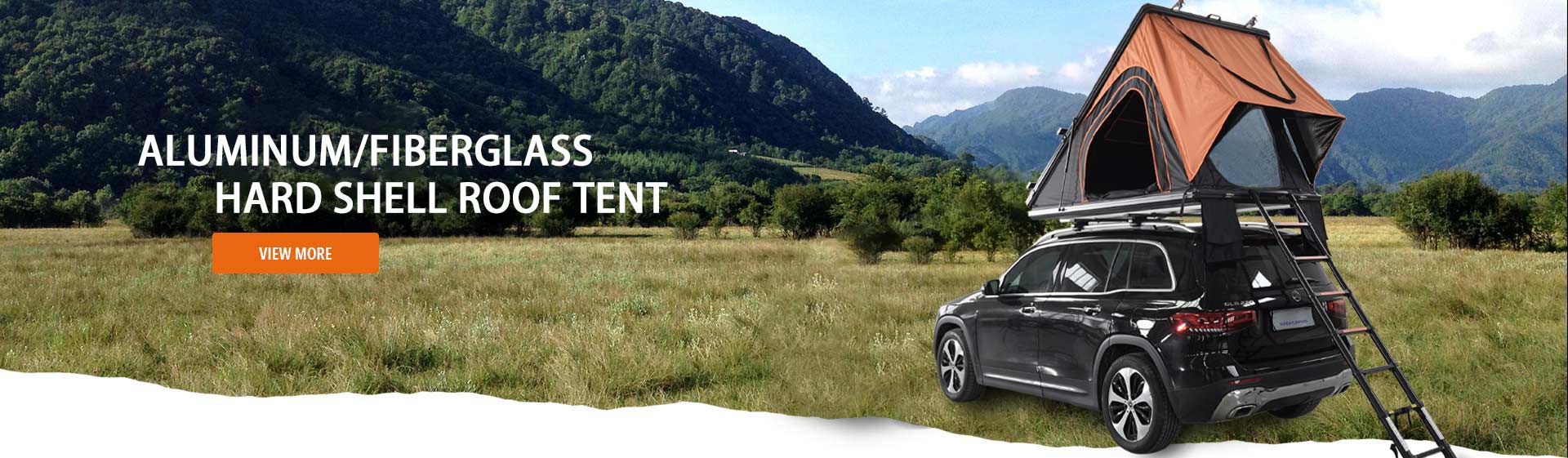
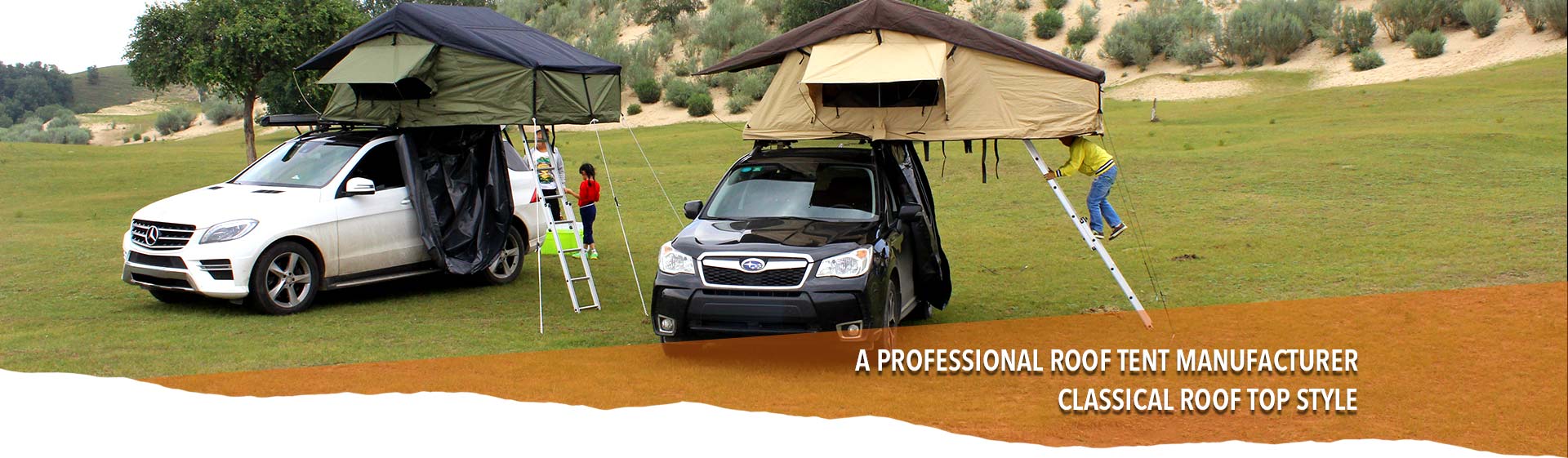
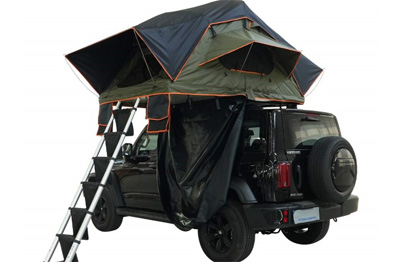
For a retailer, choosing a hard shell rooftop tent is not simply a question of which model looks best. Different shell materials, opening structures, sleeping capacities, and vehicle compatibility appeal to very different customers.
A compact wedge-style tent may be perfect for an overlander who changes campsites every night, while a fold-out hard shell model may be easier to sell to couples or families who value sleeping space. Premium aluminum models can attract serious 4x4 users, while ABS and fiberglass designs may appeal to buyers looking for a more streamlined appearance.
For camping retailers, distributors, and outdoor brands, the goal is therefore not to stock as many models as possible. It is to build a product mix that matches the users in your target market.
Sunday Campers currently supplies hard shell rooftop tents using ABS, aluminum, and fiberglass structures, including conventional and fold-out designs suitable for different retail positioning.
Hard Shell Design | Typical Buyer | Main Selling Point | Retail Positioning |
ABS Hard Shell Tent | First-time RTT buyers, couples, recreational campers | Clean appearance and convenient setup | Entry to mid-range |
Aluminum Wedge Tent | Overlanders, 4x4 owners, frequent travelers | Rugged construction and fast deployment | Mid to premium |
Aluminum Full Pop-Up Tent | Couples, photographers, long-distance campers | More balanced interior headroom | Premium |
Fold-Out Hard Shell Tent | Couples, small families, customers needing more sleeping room | Larger sleeping area when deployed | Mid to premium |
Fiberglass Hard Shell Tent | SUV owners, lifestyle campers, premium retail customers | Smooth aerodynamic styling | Premium lifestyle |
This segmentation gives retailers a much clearer way to build their assortment than simply comparing tent dimensions or wholesale prices.
ABS hard shell rooftop tents are often a practical option for customers moving from ground tents or soft shell rooftop tents into the hard shell category.
Their biggest retail advantage is easy product positioning. Customers can quickly understand the benefits: a rigid protective shell, quick opening and closing, built-in sleeping space, and a cleaner appearance on the vehicle.
Sunday Campers' hard shell range includes ABS models alongside aluminum and fiberglass alternatives, allowing distributors to cover different price and application segments from one supplier.
Weekend campers
Couples
SUV and crossover owners
First-time rooftop tent buyers
Customers prioritizing appearance and convenience
For retailers entering the rooftop tent category, an ABS model can therefore work well as a broadly accessible SKU.
The key is not to oversell it as an extreme expedition product. Position it around easy camping, road trips, weekend travel, and fast setup.
Wedge-style aluminum rooftop tents usually attract a different type of buyer.
These customers often already own a 4x4, pickup, off-road accessories, roof racks, recovery equipment, or other overlanding gear. They are less interested in simply having a tent on the roof and more interested in building a complete vehicle-based travel system.
Aluminum construction also gives retailers a strong visual selling point. The rigid, technical appearance fits naturally beside awnings, roof racks, storage boxes, and other overlanding accessories.
4x4 and pickup owners
Frequent campers
Long-distance road travelers
Overlanding enthusiasts
Customers camping in changing weather conditions
A wedge tent is particularly attractive to travelers who move frequently because rapid setup becomes more important when the tent is opened and closed almost every day.
Hard shell tents are generally positioned around faster deployment, stronger rigid-shell protection, and frequent-use convenience compared with conventional soft shell tents.
For an off-road retailer, this type should usually be one of the core products rather than a niche SKU.
Not every buyer wants the sloping roof of a wedge tent.
A full pop-up or parallel-lift hard shell design raises more evenly, giving users a different interior experience. This can be attractive to customers who spend more time inside the tent rather than using it purely as a place to sleep.
Couples taking longer trips
Touring campers
Outdoor photographers
Hunters and anglers
Customers who value interior comfort
When selling this design, retailers should focus less on exterior appearance and more on the experience after the tent is open.
Questions such as headroom, ventilation, mattress size, entry arrangement, window placement, and storage convenience become important sales points.
This also means retailers should display one opened whenever showroom space allows. Customers may not immediately understand the difference between a wedge and full pop-up model when both tents are closed.
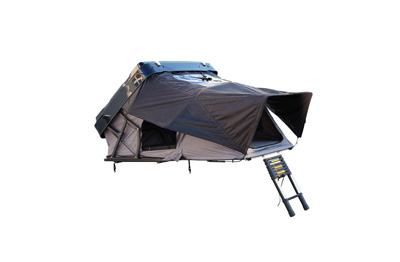
One limitation of many traditional hard shell tents is that the closed shell dimensions influence the sleeping footprint.
Fold-out hard shell tents address this differently. Part of the sleeping platform expands when the tent is deployed, creating a larger usable area without requiring the entire closed tent to occupy the same footprint.
Sunday Campers' hard shell category includes fold-out aluminum designs, giving retailers another option beyond conventional rigid-shell layouts.
Couples wanting a larger bed
Small families
Taller campers
Customers upgrading from soft shell rooftop tents
Buyers balancing sleeping space with hard shell convenience
For retailers, these models can help answer a common objection:
“I like the convenience of a hard shell tent, but I need more sleeping room.”
That makes fold-out models useful as an alternative rather than simply another version of the same hard shell tent.
Some rooftop tent customers buy primarily for expedition capability. Others care just as much about how the tent integrates with the vehicle.
Fiberglass hard shell designs can fit well into this second segment because the molded shell can deliver a smooth and streamlined exterior appearance.
Sunday Campers lists fiberglass hard shell models as part of its current rooftop tent range.
SUV owners
Lifestyle-focused campers
Couples
Road-trip customers
Buyers who prioritize exterior design
These products are particularly suitable for retailers whose customers drive SUVs, crossovers, or recreational vehicles rather than heavily modified off-road trucks.
The sales conversation should emphasize the complete combination of design, convenience, sleeping comfort, and travel use, rather than focusing only on ruggedness.
For retailers, “ABS vs aluminum vs fiberglass” is only the first level of product selection.
Before placing a bulk order, compare the complete configuration.
Important factors include:
Closed and opened dimensions
Tent net weight
Sleeping capacity
Mattress dimensions and thickness
Opening mechanism
Roof rack compatibility
Ladder configuration
Fabric specification
Waterproofing
Ventilation
Shell finish
Mounting hardware
Packaging dimensions
Replacement-part availability
Vehicle roof capacity is particularly important. Buyers need to consider both the rooftop tent and roof rack system rather than assuming that every hard shell tent fits every SUV or pickup.
Instead of stocking five hard shell rooftop tents with very similar functions, build the assortment around clearly different customers.
For example, a retailer could carry:
One mainstream model
An ABS hard shell tent for recreational campers and first-time buyers.
One overlanding model
An aluminum wedge tent for 4x4 and expedition customers.
One comfort-oriented model
A full pop-up design for couples and longer trips.
One larger-capacity model
A fold-out hard shell tent for buyers requiring additional sleeping space.
One premium lifestyle model
A streamlined fiberglass or premium-finish model for higher-end SUV customers.
This gives sales staff a much easier conversation:
“How will you use the tent?”
rather than:
“Which of these five similar tents do you prefer?”
That difference can make both online product navigation and in-store sales much clearer.
Before selecting a hard shell rooftop tent supplier, retailers should also look beyond individual models.
Ask whether the manufacturer can support different shell structures, dimensions, fabrics, colors, branding, packaging, accessories, and replacement components.
For private-label brands, OEM flexibility is particularly important because a successful tent may eventually need changes to logo placement, shell finish, interior fabric, mattress specification, packaging, or accessories.
Sunday Campers states that it supports OEM and ODM rooftop tent production and has exported rooftop tents to more than 30 countries, with markets including North America, Europe, and Australia.
There is no single hard shell rooftop tent design that is best for every retailer.
The better question is:
Which design matches the customers you are trying to sell to?
ABS hard shells can serve recreational campers and first-time buyers. Aluminum wedge tents fit serious overlanders and frequent travelers. Full pop-up models appeal to customers wanting more usable interior space. Fold-out designs solve the need for a larger sleeping area, while fiberglass shells can strengthen a premium, lifestyle-focused product range.
A well-planned retailer assortment should therefore contain different solutions for different users, rather than several products competing for exactly the same customer.
If you are building a new hard shell rooftop tent range or expanding an existing private-label collection, Sunday Campers can provide ABS, aluminum, fiberglass, fold-out and customized rooftop tent options for wholesale and OEM projects. Contact our team with your target market, vehicle types, preferred specifications, and estimated order quantity to discuss the most suitable models.


Copyright © sunday-campers.com All Rights Reserved | Powered by