- E-mail: info@sunday-campers.com
- Tel.: +86 15801504548
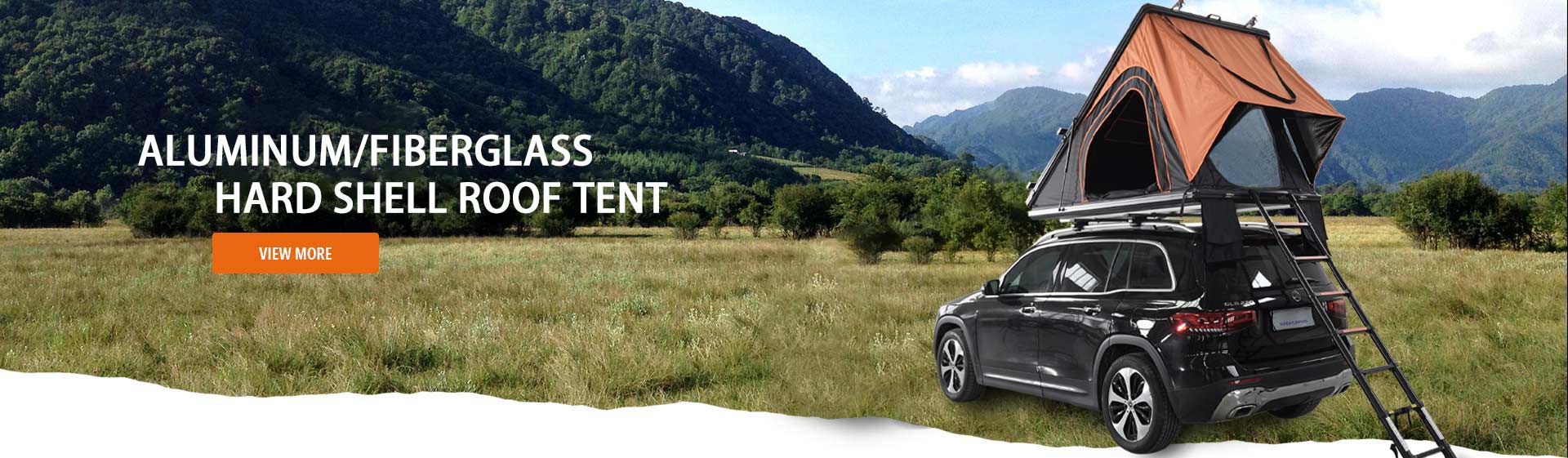


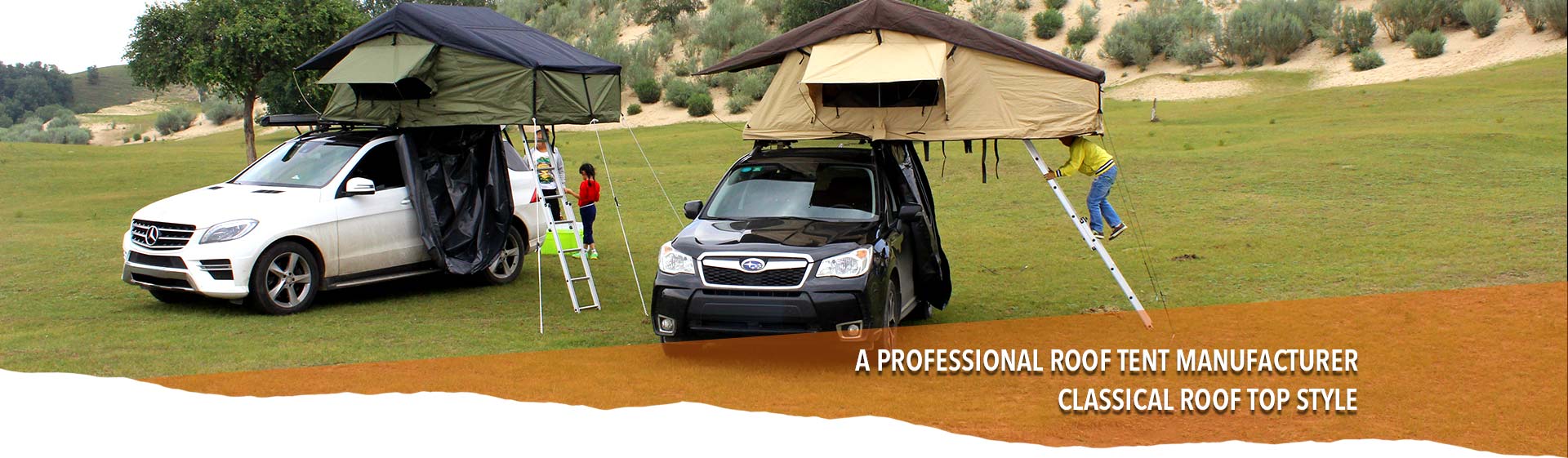
Waterproof performance is one of the most important specifications when sourcing a rooftop tent. Buyers often see figures such as 2000 mm, 3000 mm, or 5000 mm waterproof rating on product specifications, but these numbers can be difficult to evaluate without understanding how they are tested.
For rooftop tent brands, importers, distributors, and OEM buyers, the important question is not simply:
“What is the waterproof rating?”
A better question is:
“How was the waterproof rating tested, which part of the tent does it apply to, and how does the complete rooftop tent perform in rain?”
Understanding the testing process helps buyers compare rooftop tent specifications more accurately and establish clearer requirements before placing bulk orders.
Tent fabric waterproof ratings are commonly expressed in millimeters (mm) and are related to the fabric's resistance to water pressure.
For example:
● 1500 mm
● 2000 mm
● 3000 mm
● 5000 mm
The number represents the approximate height of a water column that the tested fabric can resist before water begins to penetrate.
Therefore, a 3000 mm waterproof rating does not mean that the fabric has a 3 mm coating or that it can only withstand a certain amount of rainfall.
It refers to hydrostatic pressure resistance.
This distinction is important when comparing rooftop tent fabrics from different suppliers.
A common method for evaluating waterproof fabric is the Hydrostatic Head Test, also called a water-column pressure test.
The basic testing process is straightforward.
A representative sample of the rooftop tent fabric is selected.
Depending on the tent specification, this may include:
● Polyester fabric
● Oxford fabric
● Ripstop polyester
● Polycotton canvas
● PU-coated fabric
● Other coated outdoor textiles
The sample should represent the material that will actually be used in production.
The fabric sample is secured in a hydrostatic pressure testing machine.
One side of the fabric is exposed to water pressure while the opposite side is observed for signs of penetration.
The sample must be properly clamped so that water cannot escape around the test area.
Water pressure is then increased against the fabric.
As the pressure rises, the tester observes the surface of the material.
The fabric initially prevents the water from passing through its coating and structure.
Eventually, if enough pressure is applied, small droplets begin to appear on the opposite side.
The pressure level at which penetration reaches the test method's defined endpoint is recorded.
This value becomes the fabric's hydrostatic head rating.
For example, if penetration occurs around a pressure corresponding to a 3000 mm water column, the material may be reported as having approximately a 3000 mm waterproof rating, depending on the testing method and acceptance criteria.
Rooftop tent specifications frequently include descriptions such as:
● PU2000 mm
● PU3000 mm
● PU4000 mm
PU normally refers to a polyurethane coating applied to the fabric to improve resistance to water penetration.
However, buyers should avoid comparing PU numbers without additional information.
Ask the supplier:
● Which fabric layer does the rating apply to?
● Is the rating for the tent body or rainfly?
● What coating is used?
● What test method was used?
● Is the value based on material specifications or actual testing?
● Does the production fabric use the same specification as the approved sample?
A waterproof rating is most useful when it is connected to a clearly identified material and testing method.
This is one of the most important points for rooftop tent buyers.
A piece of fabric may perform very well during a hydrostatic pressure test while a finished rooftop tent can still leak.
Why?
Because water does not enter only through the middle of the fabric.
Potential leakage points include:
● Roof seams
● Window seams
● Door seams
● Zipper areas
● Stitching holes
● Rainfly attachment points
● Corners
● Fabric-to-frame connections
● Shell joints
● Mounting penetrations
● Areas around straps and hardware
This means waterproof evaluation should include both material testing and finished-product inspection.
Hydrostatic head testing is primarily used to evaluate material performance.
Finished rooftop tents can also undergo controlled water testing to identify potential leakage points.
A typical inspection may involve setting up the rooftop tent in its normal operating condition and applying water over the exterior.
Inspectors then examine the interior for signs of water penetration.
Particular attention should be paid to:
● Seams around doors and windows
● Roof panel stitching
● Rainfly edges
● Zipper covers
● Corners
● Fabric connection points
● Hard-shell joints
● Areas where hardware passes through waterproof layers
The objective is different from the laboratory fabric test.
The hydrostatic test measures material resistance to water pressure, while the finished-tent water test checks whether the complete construction allows water to enter.
Both provide useful information for quality control.
Stitching creates small needle holes in tent fabric.
Even when the fabric itself has strong water resistance, poorly protected seams can become leakage points.
Manufacturers may therefore use different waterproofing methods depending on the tent design and material, including:
● Seam sealing
● Seam tape
● Waterproof coatings
● Covered seams
● Overlapping fabric construction
● Rainfly protection
● Protective zipper flaps
For OEM rooftop tent projects, seam construction should be reviewed during sample development rather than waiting until final inspection.
Changing fabric, thread, stitching structure, or coating can affect waterproof performance.
Not necessarily.
A higher hydrostatic head number indicates that the tested fabric resisted greater water pressure under the specified test conditions.
However, rooftop tent performance involves more than one laboratory number.
Buyers also need to consider:
● Fabric weight
● Breathability
● Coating durability
● UV resistance
● Abrasion resistance
● Tear strength
● Seam construction
● Ventilation
● Intended climate
● Product positioning
For example, a lightweight rooftop tent intended for occasional warm-weather camping may require a different fabric specification from a rooftop tent developed for extended overland use in wet climates.
The goal should be to select the appropriate waterproof construction for the intended product, rather than automatically choosing the highest available number.
When sourcing rooftop tents, importers and outdoor brands can include waterproof requirements in their technical specification sheet.
Before approving production, consider confirming:
● Tent body fabric specification
● Rainfly fabric specification
● Fabric weight
● Coating type
● Hydrostatic head rating
● Testing method
● Seam construction
● Seam-sealing requirements
● Zipper protection
● Finished-tent water-test requirements
● Sample acceptance criteria
● Mass-production inspection criteria
These details are especially important for private-label and OEM rooftop tent projects.
A simple specification such as “waterproof tent” leaves too much room for interpretation.
Clear numerical specifications and inspection requirements make it easier for both buyer and manufacturer to evaluate the finished product.
Waterproof performance should not be considered separately from overall rooftop tent quality.
Before shipment, buyers should also inspect:
● Fabric consistency
● Stitching quality
● Seam treatment
● Zippers
● Rainfly installation
● Shell joints
● Windows and doors
● Tent opening and closing
● Hardware
● Mounting accessories
For bulk orders, the waterproof requirements and inspection method should ideally be agreed upon before mass production.
This allows the manufacturer to control materials and construction according to an approved specification instead of resolving disagreements after the shipment has already been completed.
Sunday Campers is a rooftop tent manufacturer and OEM/ODM supplier serving overseas brands, importers, distributors, and outdoor-product businesses.
For customized rooftop tent projects, buyers can discuss requirements including:
● Tent style
● Fabric specification
● Waterproof requirements
● Hard-shell or soft-shell construction
● Product dimensions
● Colors
● Logo and private labeling
● Mattress specifications
● Accessories
● Packaging
● Target market requirements
If you are developing a new rooftop tent range or sourcing rooftop tents in bulk, defining waterproof specifications during the sampling stage can help reduce quality inconsistencies during mass production.
Contact Sunday Campers to discuss your rooftop tent specifications, OEM/ODM requirements, and wholesale project.
Rooftop tent waterproof ratings are useful, but the number alone does not tell the complete story.
Hydrostatic head testing measures how much water pressure a fabric can resist before penetration occurs. However, the real-world waterproof performance of a rooftop tent also depends on seams, stitching, zippers, rainfly design, openings, and overall construction.
For professional buyers, the best approach is to evaluate:
Fabric specification + waterproof rating + seam construction + finished-tent water testing.
Understanding these factors makes it easier to compare suppliers, establish meaningful quality standards, and source rooftop tents that meet the requirements of your target market.


Copyright © sunday-campers.com All Rights Reserved | Powered by